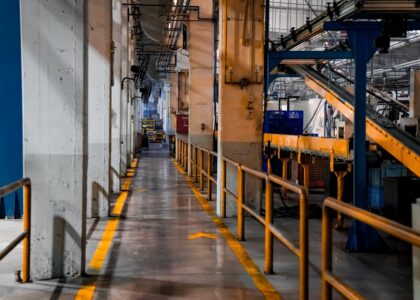

Introduction to Warehouse Optimization
Warehouse optimization is a critical aspect of industrial operations, as it directly impacts worker safety, efficiency, and productivity. A well-designed warehouse layout can reduce accidents, improve workflow, and enhance overall operational performance.
Assessing Warehouse Layouts for Safety
When assessing warehouse layouts for safety, it’s essential to consider factors such as aisle width, storage capacity, and equipment placement. Narrow aisles and inadequate storage can lead to accidents, while poorly placed equipment can create hazards and obstruct workflow.
- Wide aisles to accommodate equipment and personnel
- Adequate storage capacity to prevent overstocking and clutter
- Strategic equipment placement to minimize hazards and optimize workflow
Implementing Safety Features in Warehouse Design
Implementing safety features in warehouse design is crucial for preventing accidents and ensuring a safe working environment. Some essential safety features include:
- Clear signage and labeling to prevent confusion and miscommunication
- Adequate lighting to illuminate work areas and reduce eye strain
- Emergency response plans and equipment, such as fire extinguishers and first aid kits
Best Practices for Warehouse Optimization
To optimize warehouse layouts for industrial safety, consider the following best practices:
- Conduct regular safety audits to identify hazards and areas for improvement
- Implement a lean management system to reduce waste and optimize workflow
- Provide ongoing training and education to workers on safety procedures and protocols
Technological Advancements in Warehouse Optimization
Technological advancements, such as warehouse management systems (WMS) and automated guided vehicles (AGVs), can significantly enhance warehouse optimization and industrial safety. These technologies can help:
- Streamline inventory management and reduce errors
- Optimize picking and packing processes to reduce labor and improve efficiency
- Monitor and analyze safety data to identify trends and areas for improvement
Conclusion and Next Steps
Optimizing warehouse layouts for industrial safety is a critical aspect of operational excellence. By assessing warehouse layouts, implementing safety features, and adopting best practices and technological advancements, organizations can reduce accidents, improve efficiency, and enhance overall performance. For more information on warehouse optimization and industrial safety, visit Raxwell Inc. or consult with a trusted industry expert.
Frequently Asked Questions
Q: What are the most common hazards in warehouse operations?
A: The most common hazards in warehouse operations include falls, equipment accidents, and material handling errors.
Q: How can I improve warehouse lighting to reduce eye strain and accidents?
A: Improving warehouse lighting can be achieved by installing high-intensity lighting, reducing glare, and providing adequate lighting for work areas.
Q: What is the importance of regular safety audits in warehouse optimization?
A: Regular safety audits are essential for identifying hazards, reducing accidents, and ensuring compliance with regulatory requirements.
For more information on industrial safety and warehouse operations, visit the OSHA website or consult with a trusted industry expert.