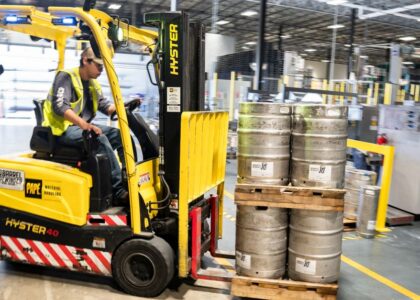
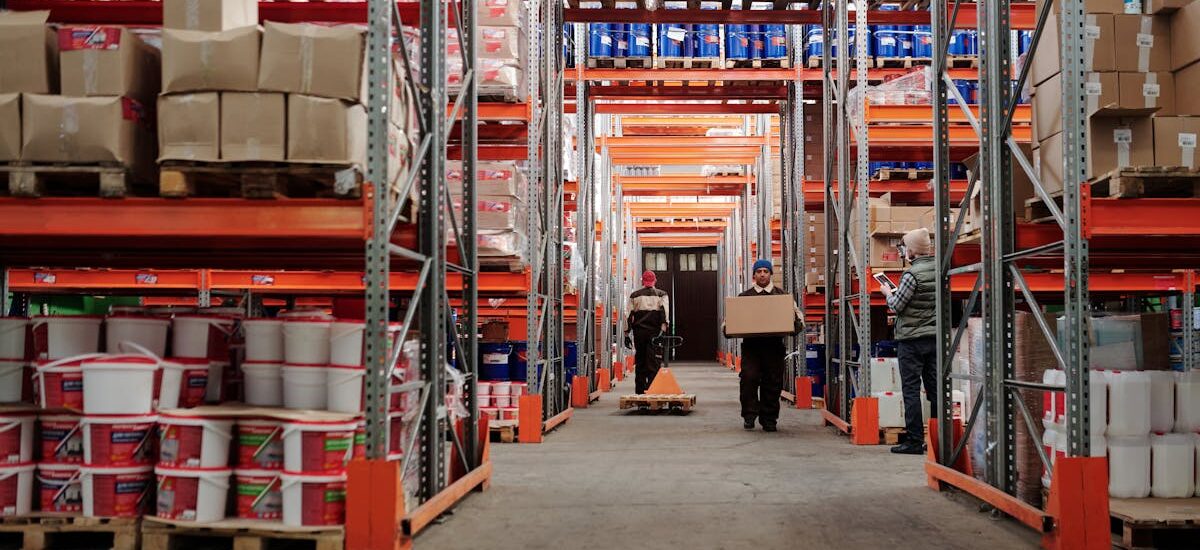
Imagine a warehouse where every pallet move is tracked, every worker is protected by gear that alerts them to hazards, and the entire logistics flow adapts in real time to demand spikes. This isn’t a futuristic fantasy; it’s a practical reality for forward‑thinking B2B operators who combine smart personal protective equipment (PPE) with automation and data analytics. In this article, we explore how that synergy can slash downtime, lower injury rates, and drive measurable cost savings.
Why Safety and Efficiency Must Coexist in Modern Logistics
Logistics leaders often face a false dichotomy: prioritize speed or prioritize safety. The truth is that the two are interdependent. A single workplace injury can halt an entire fulfillment line, erode customer confidence, and inflate insurance premiums. Conversely, a well‑protected workforce operates with confidence, reducing hesitation and errors that slow throughput.
Regulatory bodies such as OSHA emphasize that safety programs are not optional add‑ons but core components of operational excellence. When safety is baked into the logistics workflow, it becomes a catalyst for efficiency rather than a constraint.
Leveraging Smart PPE to Reduce Downtime
Traditional PPE—hard hats, gloves, safety glasses—provides a physical barrier but offers little insight into ongoing risk. Smart PPE upgrades that barrier with sensors, connectivity, and analytics:
- Real‑time hazard alerts: Wearables detect temperature spikes, toxic gases, or proximity to moving equipment and instantly notify the wearer.
- Usage compliance tracking: RFID tags confirm that workers are wearing required gear before entering high‑risk zones.
- Predictive maintenance cues: Sensors embedded in helmets or boots can signal wear‑out before a failure occurs, prompting proactive replacement.
These capabilities translate directly into reduced unplanned stoppages. For example, a mid‑size distribution center that deployed smart hard hats reported a 22% drop in near‑miss incidents within six months, freeing up valuable labor hours.
Automation Technologies That Complement Protective Gear
Automation isn’t a replacement for human labor; it’s an amplifier. When paired with smart PPE, automation creates a feedback loop that continuously refines safety and speed.
Key technologies include:
- Automated guided vehicles (AGVs): These robots navigate aisles using LIDAR and can be programmed to avoid zones where PPE alerts indicate heightened risk.
- Pick‑to‑light systems: Visual cues guide workers to the correct inventory, reducing the need for manual searching and the associated strain injuries.
- IoT‑enabled conveyor monitoring: Sensors detect belt wear or overload, prompting automatic shutdown before a catastrophic failure.
Integrating these tools with PPE data streams enables dynamic routing—if a worker’s sensor flags fatigue, the system can reassign tasks to a rested colleague or an AGV, maintaining flow without compromising safety.
Data‑Driven Process Optimization for Cost Savings
Every sensor, scanner, and robot generates data. The challenge is turning that data into actionable insight. Advanced analytics platforms aggregate PPE alerts, equipment status, and order volumes to identify patterns such as:
- Peak injury‑risk periods correlating with overtime shifts.
- Repeated bottlenecks where manual handling meets automated sorting.
- Cost impact of PPE replacements versus downtime avoided.
By visualizing these trends, logistics managers can adjust staffing, redesign layouts, or invest in targeted automation where it yields the highest ROI. A recent case study from a leading automotive parts distributor showed a 15% reduction in labor costs after aligning PPE compliance data with shift scheduling.
Implementing a Cohesive Strategy: Steps for Success
Transitioning to a safety‑first, technology‑enabled logistics model requires deliberate planning. Follow these six steps:
- Assess current safety gaps: Conduct a comprehensive audit of injury reports, PPE usage, and near‑miss logs.
- Select compatible smart PPE: Choose gear that integrates with your existing warehouse management system (WMS).
- Map automation touchpoints: Identify processes where AGVs, pick‑to‑light, or IoT sensors can reinforce safety alerts.
- Deploy a unified data platform: Ensure PPE, automation, and WMS data flow into a single analytics dashboard.
- Train the workforce: Emphasize the dual benefit of protection and productivity; use real‑world scenarios to illustrate.
- Iterate and scale: Start with a pilot zone, measure KPIs (downtime, injury rate, order lead time), then expand based on results.
Partnering with a trusted supplier that offers both PPE and integration services can simplify this journey. Raxwell provides a portfolio of smart safety gear and consulting expertise to accelerate adoption.
FAQ
What is the ROI timeline for smart PPE?
Most organizations see measurable ROI within 9‑12 months, driven primarily by reduced injury‑related downtime and lower replacement costs.
Can existing WMS platforms integrate with smart PPE data?
Yes. Most modern WMS solutions offer APIs that accept sensor feeds, enabling real‑time alerts and automated task reassignment.
Is there a regulatory advantage to using smart PPE?
While regulations still require basic PPE, smart gear can help demonstrate proactive compliance, potentially lowering audit findings and insurance premiums.
Do workers resist wearing sensor‑laden equipment?
Initial resistance is common, but transparent communication about safety benefits and privacy safeguards typically leads to high adoption rates.
Ready to future‑proof your logistics network? Explore how integrated safety and automation can transform your operations and deliver a competitive edge.