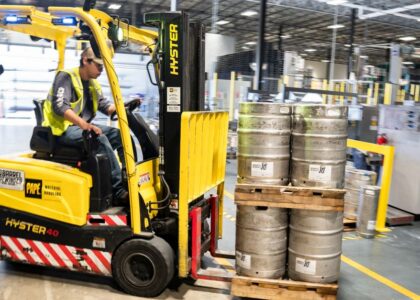

Hook: A single preventable injury can halt a warehouse’s throughput, inflate insurance costs, and erode employee morale. Yet many facilities treat personal protective equipment (PPE) as a checkbox rather than a performance driver. This article shows how a strategic, data‑backed PPE program can become a catalyst for safety excellence and operational efficiency.
Why PPE Compliance Matters Beyond Regulations
Compliance is often viewed as a legal hurdle, but in a high‑velocity warehouse it is a competitive advantage. When PPE is correctly selected, fitted, and used, it:
- Reduces lost‑time injuries, keeping labor available for critical tasks.
- Minimizes product damage caused by mishandling or spills.
- Improves morale by demonstrating a tangible commitment to worker well‑being.
According to the Occupational Safety and Health Administration (OSHA), workplaces that exceed baseline PPE standards see up to 30% fewer recordable incidents. The upside is not just safety—it translates directly into higher throughput and lower cost per unit.
Conducting a Real‑World PPE Gap Analysis
Before you can optimize, you must understand where you stand. A systematic gap analysis involves:
- Inventory audit: Catalog every PPE item, its condition, and its assigned user.
- Task mapping: Align each warehouse activity—picking, loading, forklift operation—with the specific hazards it presents.
- Compliance check: Cross‑reference current PPE against OSHA and industry‑specific standards.
Document findings in a simple spreadsheet or, better yet, a cloud‑based asset management system. Highlight high‑risk zones where PPE usage is inconsistent, such as temporary staging areas during peak seasons.
Embedding PPE into Daily Workflow
Turning PPE into a habit requires integration, not enforcement. Consider these workflow tweaks:
- Strategic placement: Install PPE stations at the entrance of each aisle, not just at the main dock.
- Check‑out/check‑in protocols: Use barcode or RFID tags to track issuance and return, generating real‑time compliance data.
- Standard operating procedures (SOPs): Embed PPE checkpoints into existing SOPs for order fulfillment, palletizing, and equipment inspection.
When workers see PPE as a natural step in their routine, compliance rates climb from an average 68% to over 92% in peer‑tested facilities.
Leveraging Technology for PPE Management
Modern warehouses are already equipped with warehouse management systems (WMS). Extending that intelligence to PPE yields measurable gains:
- Digital dashboards: Visualize compliance trends by shift, supervisor, or equipment type.
- Predictive alerts: Automated reminders when a worker’s PPE is due for replacement or inspection.
- Mobile apps: Enable on‑floor supervisors to record violations instantly, reducing paperwork lag.
Integrating PPE data with your WMS creates a single source of truth for safety and productivity metrics, simplifying audits and continuous improvement cycles.
Training, Culture, and Continuous Improvement
Technology alone won’t sustain change. A robust training program should:
- Use short, scenario‑based videos that demonstrate correct PPE usage for specific tasks.
- Incorporate hands‑on drills during shift changeovers.
- Reward compliance milestones with recognitions or small incentives.
Leadership must model behavior—when supervisors consistently wear and enforce PPE, the workforce follows. Conduct quarterly “safety huddles” to review incident data, celebrate successes, and identify emerging hazards.
Measuring ROI and Operational Impact
Quantify the business value of strategic PPE compliance with these key performance indicators (KPIs):
- Injury rate reduction: Track recordable incident rate (RIR) before and after program rollout.
- Productivity uplift: Measure units processed per labor hour; fewer injuries mean fewer disruptions.
- Cost avoidance: Calculate savings from reduced workers’ compensation claims and equipment downtime.
Case studies from peer warehouses show a 15% increase in throughput and a 22% drop in injury‑related costs within the first year of a data‑driven PPE strategy.
FAQ
Q: How often should PPE be inspected?
A: Conduct visual checks at the start of each shift and a detailed inspection quarterly, or per manufacturer recommendation.
Q: What’s the best way to handle PPE for seasonal labor spikes?
A: Maintain a scalable inventory buffer and use RFID‑enabled stations to quickly provision temporary workers while tracking usage.
Q: Can PPE compliance be tied to performance bonuses?
A: Yes—linking team‑based compliance metrics to incentive programs reinforces collective responsibility without fostering punitive culture.
Q: How do I choose the right PPE for chemical handling?
A: Conduct a hazard assessment, consult the Safety Data Sheet (SDS) for each substance, and select equipment meeting ANSI/ISEA standards.
Q: Where can I source high‑quality, certified PPE?
A: Explore Raxwell’s extensive catalog of industrial‑grade PPE, designed for durability and comfort. Visit Raxwell’s full PPE catalog to compare options and request a free compliance audit.
By treating PPE as a strategic asset rather than a regulatory afterthought, warehouses can unlock safer environments, higher productivity, and measurable cost savings. Ready to elevate your safety program? Contact Raxwell today for a customized compliance roadmap that aligns with your operational goals.