
Introduction to Warehouse Safety Challenges
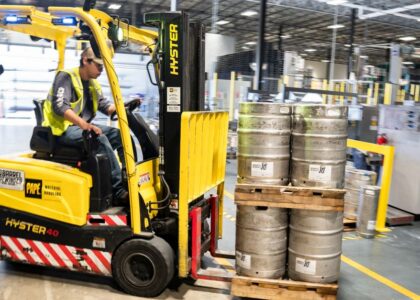
Warehouses are complex environments that pose numerous safety risks to workers, including heavy machinery, falling objects, and slippery floors. To mitigate these risks, it’s essential to implement a comprehensive safety strategy that incorporates industrial PPE and ergonomic design.
Industrial PPE: The Foundation of Warehouse Safety
Personal protective equipment (PPE) is a critical component of warehouse safety, providing workers with protection against various hazards. Some common types of industrial PPE used in warehouses include hard hats, safety glasses, gloves, and steel-toed boots.
- Hard hats: protect against falling objects and head injuries
- Safety glasses: protect against eye injuries from debris and chemicals
- Gloves: protect against cuts, abrasions, and chemical exposure
- Steel-toed boots: protect against foot injuries from heavy objects
Ergonomic Design: Enhancing Warehouse Efficiency and Safety
Ergonomic design is an often-overlooked aspect of warehouse safety, but it plays a critical role in reducing workplace injuries and improving operational efficiency. By designing workstations and workflows that minimize strain and discomfort, employers can reduce the risk of musculoskeletal disorders and other work-related injuries.
Implementing Industrial PPE and Ergonomic Design in Warehouse Operations
To effectively implement industrial PPE and ergonomic design in warehouse operations, employers should conduct regular safety audits and risk assessments. This involves identifying potential hazards, evaluating the effectiveness of existing safety measures, and implementing new strategies to mitigate risks.
Best Practices for Warehouse Safety and Efficiency
Some best practices for warehouse safety and efficiency include:
- Providing regular safety training and education to workers
- Conducting regular equipment maintenance and inspections
- Implementing a comprehensive safety management system
- Encouraging worker participation in safety initiatives
Conclusion and Next Steps
By prioritizing industrial PPE and ergonomic design, warehouses can significantly enhance safety, reduce workplace injuries, and improve operational efficiency. For more information on industrial safety and warehouse operations, visit Raxwell Inc. or check out the OSHA website for guidance on workplace safety regulations.
Frequently Asked Questions
Q: What types of industrial PPE are required in warehouses?
A: The types of industrial PPE required in warehouses vary depending on the specific work environment and hazards present. Common types of PPE include hard hats, safety glasses, gloves, and steel-toed boots.
Q: How can ergonomic design improve warehouse safety and efficiency?
A: Ergonomic design can improve warehouse safety and efficiency by reducing strain and discomfort, minimizing the risk of musculoskeletal disorders, and improving worker productivity.