Introduction to Warehouse Safety Challenges
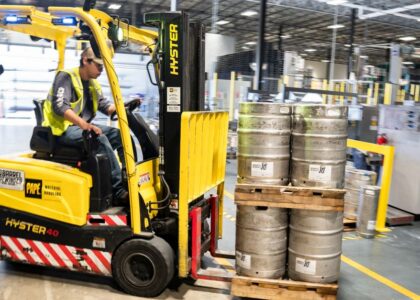
Warehouses are complex environments that pose unique safety challenges, from forklift accidents to falling objects and slips, trips, and falls. To mitigate these risks, it’s essential to implement a comprehensive safety strategy that incorporates industrial PPE and smart facility design.
Industrial PPE: The Foundation of Warehouse Safety
Industrial PPE, such as hard hats, safety glasses, and steel-toed boots, is a critical component of warehouse safety. By providing workers with the necessary protective gear, employers can significantly reduce the risk of injury and illness.
- Hard hats: Protect workers from falling objects and head injuries
- Safety glasses: Prevent eye injuries from debris and chemicals
- Steel-toed boots: Safeguard feet from heavy objects and equipment
Smart Facility Design: Enhancing Warehouse Safety and Efficiency
Smart facility design involves creating a workspace that is optimized for safety, efficiency, and productivity. This can be achieved through the use of:
- Clear signage and labeling: Ensure that workers can easily navigate the warehouse and identify potential hazards
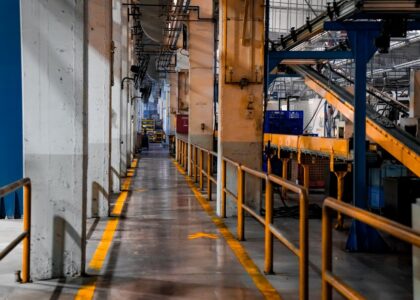
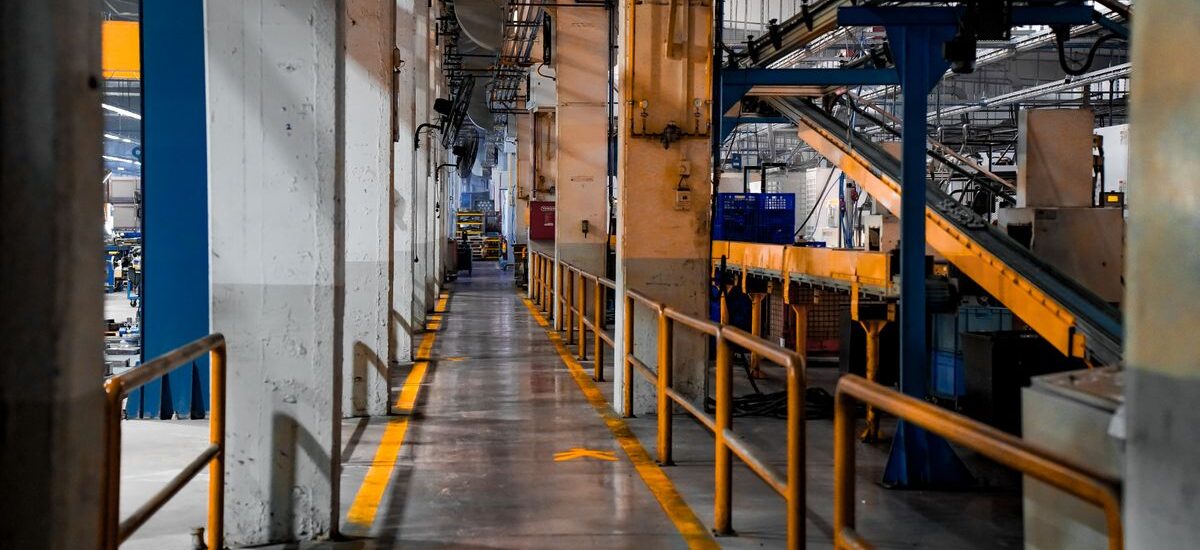
- Aisle marking and striping: Define pedestrian walkways and forklift paths to prevent accidents
- LED lighting: Provide adequate illumination to reduce eye strain and improve visibility
Implementing a Warehouse Safety Culture
A strong safety culture is essential for minimizing warehouse hazards and promoting a healthy work environment. This can be achieved by:
- Providing regular safety training and education
- Encouraging worker participation and feedback
- Recognizing and rewarding safe behavior
Best Practices for Warehouse Safety Inspections
Regular safety inspections are crucial for identifying potential hazards and preventing accidents. When conducting a warehouse safety inspection, consider the following:
- Walk-through inspections: Identify potential hazards and take corrective action
- Checklists and audits: Ensure compliance with safety regulations and company policies
- Worker participation: Encourage workers to report hazards and suggest improvements
Conclusion and Next Steps
By implementing industrial PPE and smart facility design principles, warehouses can significantly reduce the risk of accidents and improve operational efficiency. For more information on warehouse safety and facility optimization, visit Raxwell Inc. or check out the OSHA website for workplace safety guidelines.
Frequently Asked Questions
Q: What is the most common type of warehouse accident?
A: The most common type of warehouse accident is a slip, trip, or fall, which can be prevented by implementing smart facility design principles and providing workers with proper training and equipment.