Introduction to Integrated Safety Solutions
Warehouse operations are the backbone of any industrial or manufacturing facility, requiring precision, efficiency, and above all, safety. The integration of safety solutions into daily operations is not just a regulatory requirement but a strategic move to enhance productivity and reduce downtime. In this article, we will delve into the world of integrated safety solutions and how they can revolutionize your warehouse operations.
The Importance of Safety in Warehouse Operations
Safety is paramount in any warehouse setting. It’s not just about complying with regulations; it’s about creating an environment where employees feel secure and valued, leading to higher job satisfaction and reduced turnover rates. Integrated safety solutions go beyond the traditional personal protective equipment (PPE) to encompass a holistic approach that includes training, equipment, and procedural adjustments.
Components of Integrated Safety Solutions
An effective integrated safety solution includes:
- Hazard Identification and Risk Assessment: Regular audits to identify potential hazards and assess risks.
- Personal Protective Equipment (PPE): Providing appropriate PPE tailored to the specific tasks and hazards in the warehouse.
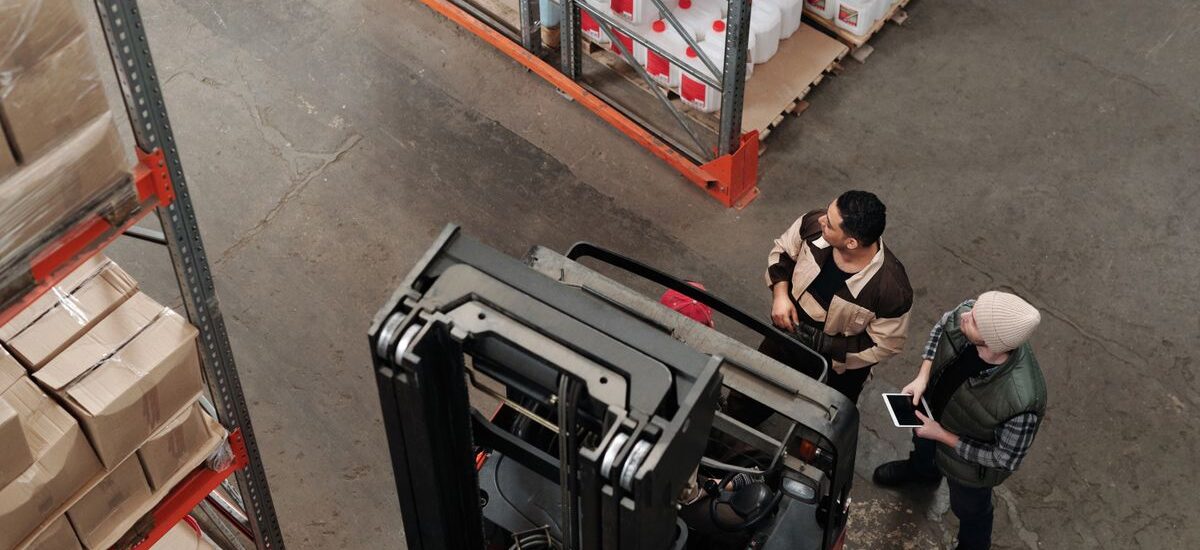
- Training and Education: Ongoing training for employees on safety procedures, equipment operation, and emergency response.
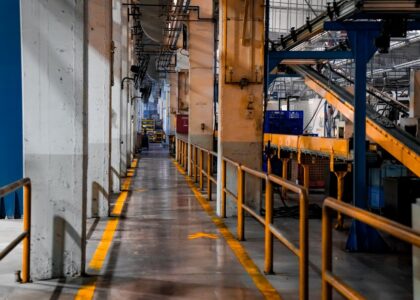
- Facility Design and Layout: Optimizing the warehouse layout to minimize hazards and improve workflow efficiency.
Implementing Integrated Safety Solutions
Implementing integrated safety solutions requires a systematic approach. It starts with a thorough analysis of the current state of warehouse operations, identifying areas of improvement, and then designing and implementing changes. This might involve investing in new safety equipment, revising operational procedures, and providing comprehensive training to all employees.
Benefits of Integrated Safety Solutions
The benefits of integrated safety solutions are multifaceted:
- Enhanced Safety Culture: Promotes a culture of safety among employees, reducing accidents and near-misses.
- Increased Efficiency: By minimizing downtime due to accidents and optimizing workflows, overall efficiency is improved.
- Regulatory Compliance: Ensures that the warehouse operations are compliant with all relevant safety regulations, reducing the risk of fines and legal issues.
- Cost Savings: Reduces costs associated with workplace injuries, damage to equipment, and legal liabilities.
FAQs on Integrated Safety Solutions
Q: What is the first step in implementing integrated safety solutions?
Start with a thorough risk assessment of your warehouse operations to identify areas that need improvement.
Q: How often should safety training be provided to employees?
Safety training should be provided regularly, with refresher courses at least once a year, or as required by regulatory standards.
Conclusion
Integrated safety solutions are not just a necessity for compliance; they are a strategic tool for enhancing the efficiency and productivity of warehouse operations. By adopting a holistic approach to safety, facilities can reduce risks, improve employee satisfaction, and ultimately, boost their bottom line. For more information on how to integrate safety solutions into your warehouse operations, visit Raxwell Inc. and explore our range of industrial safety products and expert advice. Additionally, learn more about the importance of workplace safety regulations and how they impact your operations.