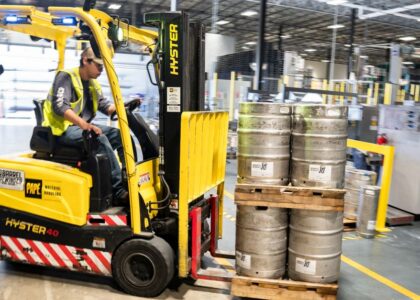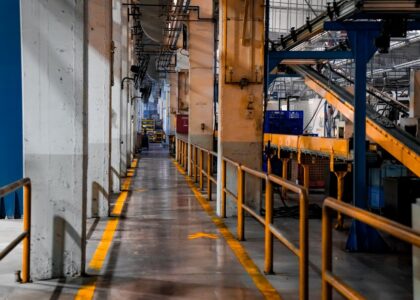

In a world where every second counts, a single slip or dropped load can halt an entire distribution line. Imagine a warehouse where protective gear and handling equipment work together like a well‑orchestrated team, preventing accidents before they happen and keeping the line moving at peak speed. That vision is no longer a fantasy—it’s the result of integrating PPE with intelligent material handling solutions.
Why Integrated Safety Matters in Modern Warehouses
Today’s warehouses face a perfect storm of high‑velocity order processing, complex inventory layouts, and a diverse workforce. Traditional safety approaches—treating PPE and equipment as separate silos—often leave gaps that lead to injuries, downtime, and costly workers’ compensation claims. By aligning protective equipment with the very tools used to move pallets, crates, and containers, you create a safety net that is both proactive and adaptive.
According to OSHA guidelines, the combination of proper PPE and ergonomically designed handling equipment reduces musculoskeletal disorders by up to 30%. The data underscores a simple truth: safety is most effective when it is built into the workflow, not bolted on after the fact.
Choosing the Right PPE for Material Handling Tasks
Not all PPE is created equal, especially when the job involves lifting, pulling, or operating machinery. Selecting gear that complements the specific handling tasks can dramatically improve compliance and comfort.
- Impact‑resistant gloves: Essential for workers operating pallet jacks or forklifts, these gloves protect against cuts while preserving tactile feedback.
- High‑visibility safety vests: When paired with reflective forklift mirrors, they keep operators visible from all angles.
- Supportive back braces: Ideal for employees performing repetitive lift‑and‑place duties, reducing strain on the lumbar spine.
- Anti‑slip safety shoes: Designed with oil‑resistant soles that work hand‑in‑hand with conveyor belt rollers to prevent slips.
Each piece should be evaluated against the specific material handling equipment in use, ensuring that the PPE does not impede operation or create new hazards.
Smart Material Handling Equipment That Complements PPE
Advances in material handling technology now offer features that directly enhance PPE effectiveness.
- Ergonomic pallet trucks: Adjustable handles reduce the need for excessive wrist extension, allowing workers to keep gloves on without sacrificing grip.
- Automated guided vehicles (AGVs): By taking over repetitive transport tasks, AGVs lower the exposure of personnel to heavy loads, meaning less reliance on heavy‑duty PPE for those tasks.
- Sensor‑enabled forklifts: Proximity alerts and load‑weight sensors help operators maintain safe distances, reinforcing the visual cues from high‑visibility vests.
- Adjustable conveyor guardrails: Designed to accommodate safety boots with reinforced toe caps, preventing accidental foot injuries.
When these technologies are selected with PPE compatibility in mind, the overall safety ecosystem becomes far more resilient.
Implementing a Cohesive Safety Program
Integration is more than equipment selection; it requires a structured program that aligns policies, training, and maintenance.
Step 1: Conduct a joint risk assessment. Bring together safety officers, equipment vendors, and frontline supervisors to map out where PPE and handling tools intersect.
Step 2: Standardize equipment bundles. Package PPE sets with the specific machines they protect, simplifying inventory and ensuring the right gear is always at hand.
Step 3: Train on combined usage. Develop training modules that demonstrate how to don PPE correctly while operating the associated equipment. Use hands‑on drills that mimic real‑world scenarios.
Step 4: Enforce regular audits. Use checklists that verify both PPE condition and equipment calibration in a single inspection round.
Step 5: Foster a safety culture. Recognize teams that achieve low injury rates through integrated practices, and share success stories across the organization.
Measuring Impact: KPIs and Continuous Improvement
To justify the investment, track key performance indicators that reflect both safety and productivity gains.
- Injury Rate per 200,000 man‑hours: Aim for a 20% reduction within the first six months of integration.
- Equipment Downtime: Monitor for a decrease as fewer accidents lead to fewer repairs.
- PPE Compliance Rate: Use RFID‑enabled tags on gear to automatically log usage during shift start‑ups.
- Order Fulfillment Speed: Measure any improvements in pick‑to‑ship times as workers move more confidently.
Regularly review these metrics, adjust equipment bundles, and update training content to keep the safety program evolving.
FAQ
Q: Can I retrofit existing equipment to be PPE‑friendly? Yes. Simple modifications such as adding ergonomic grips or installing reflective tape can make legacy machines compatible with modern PPE.
Q: How often should PPE be inspected when used with heavy equipment? Conduct visual inspections at the start of each shift and a deeper audit weekly. Replace any compromised items immediately.
Q: Does integrating PPE increase operational costs? While upfront costs rise, the reduction in injury‑related expenses and productivity gains typically deliver a positive ROI within 12‑18 months.
Q: What role does data play in this integration? Data from sensor‑enabled equipment and RFID‑tagged PPE provides real‑time visibility into usage patterns, enabling proactive interventions.
Ready to transform your warehouse safety strategy? Explore Raxwell’s integrated PPE and material handling solutions and let our experts design a program that protects your people and boosts your bottom line.